Industrial Coal & Charcoal
Global Coal Supply Chain & High-Performance Industrial Carbon Solutions
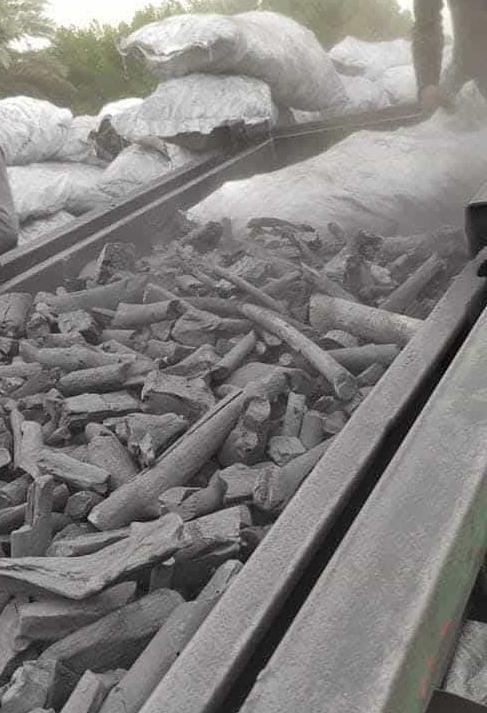
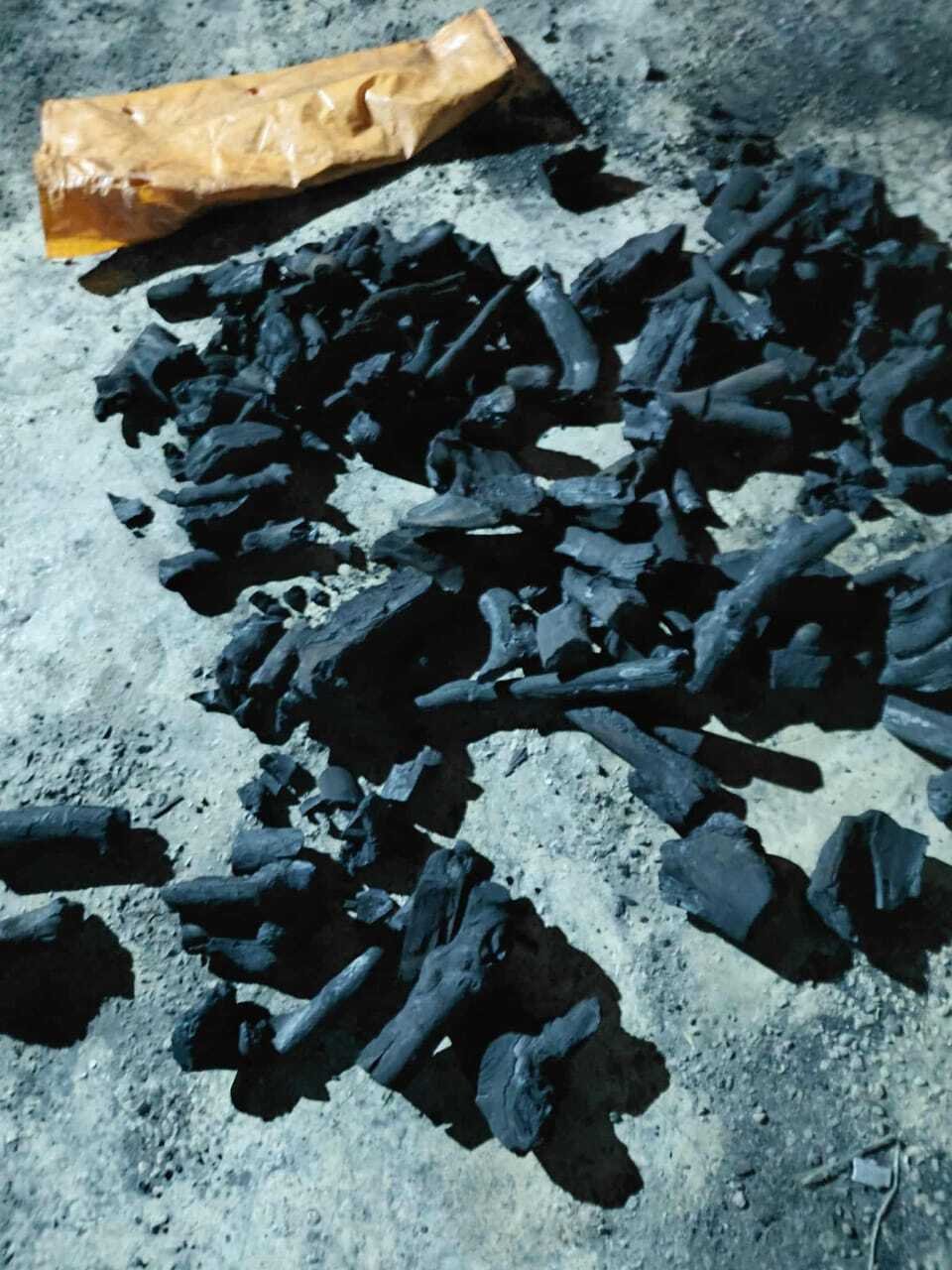
Indonesia is one of the world’s largest producers and exporters of mineral coal. Its importance in the global market is significant due to its massive extraction volumes.
• Nature: This is a fossil resource extracted from the ground (lignite, sub-bituminous, and bituminous coal).
• Main Usage:
Electricity Generation: The majority is used by thermal power plants worldwide.
Heavy Industry: Used in metallurgy, steel, iron, and cement production.
Biochar (modern variant): Indonesia is also developing “biochar” (biomass charcoal) production from agricultural waste (coconut shells, palm fibers) for agricultural use or as a low-emission alternative fuel.
• Economic Profile: It is a pillar of the Indonesian economy, with strategic government management to secure the national electricity supply before exporting.
2. Egyptian Coal: Traditional Vegetable Charcoal
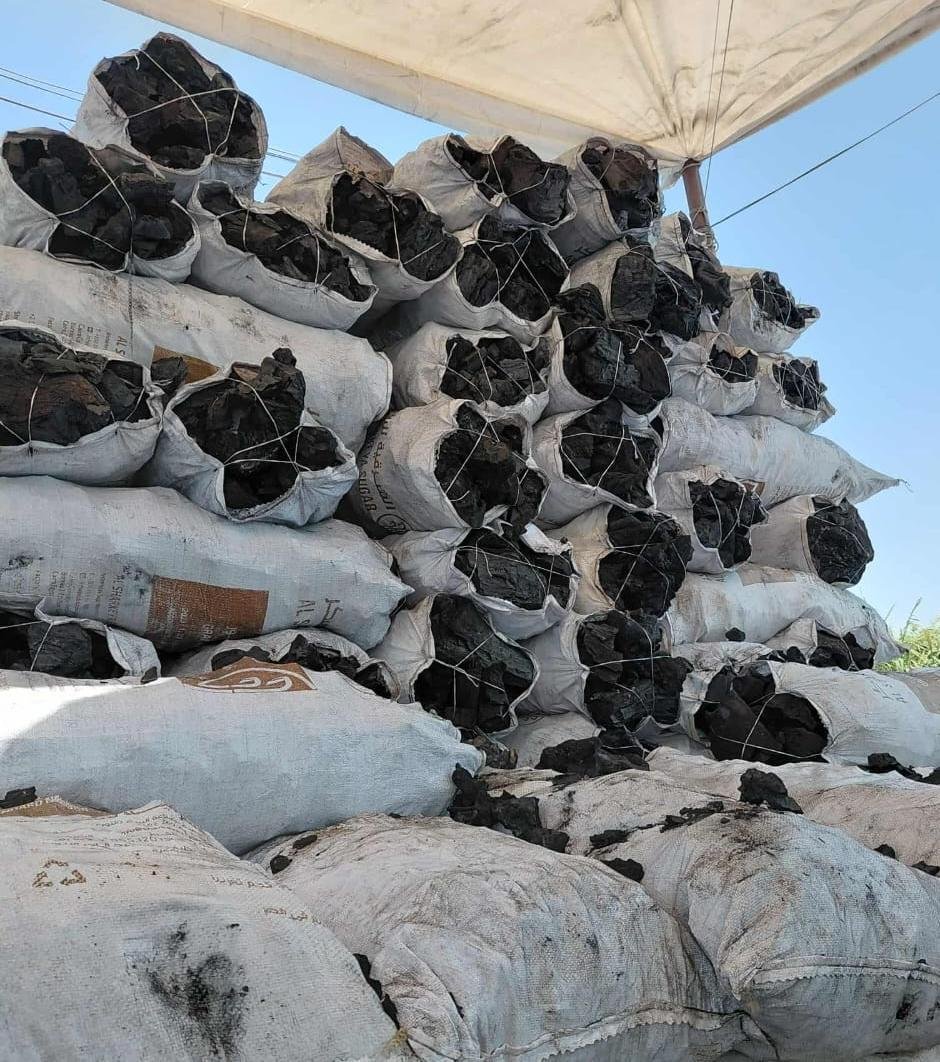
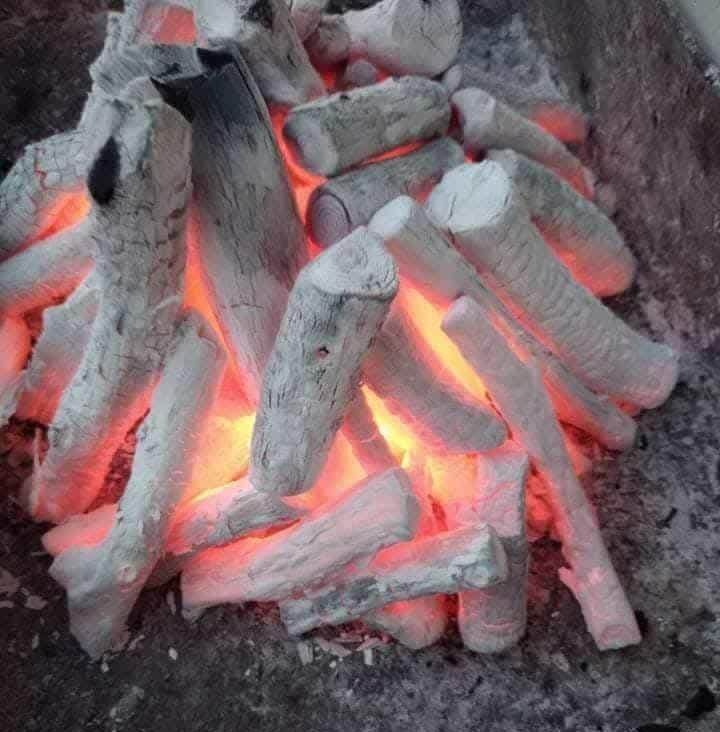
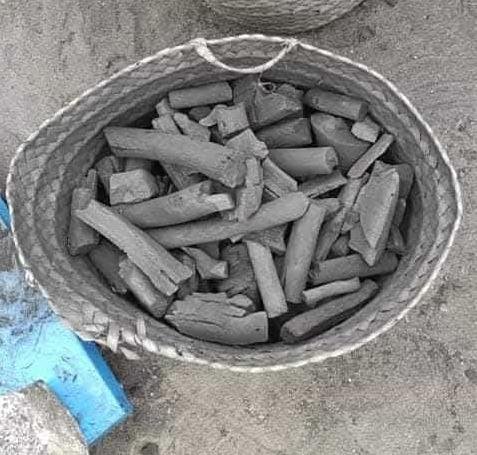
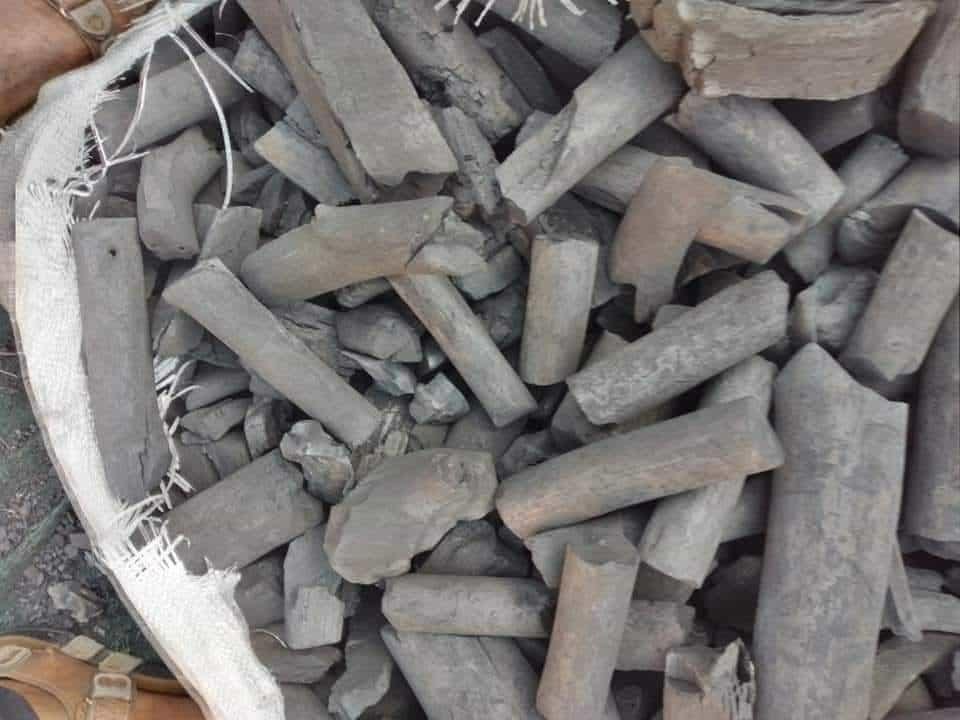
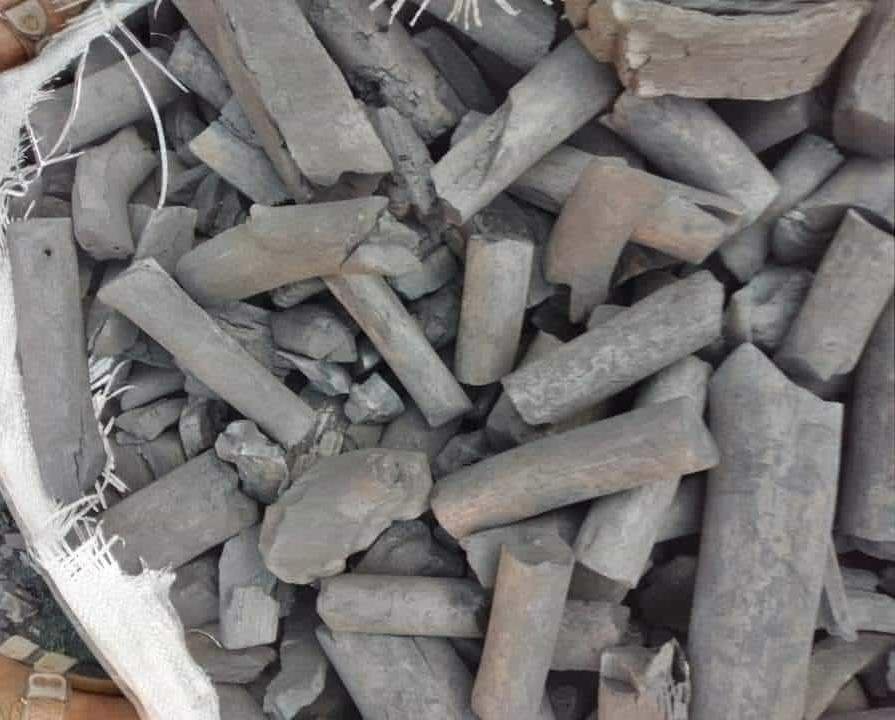
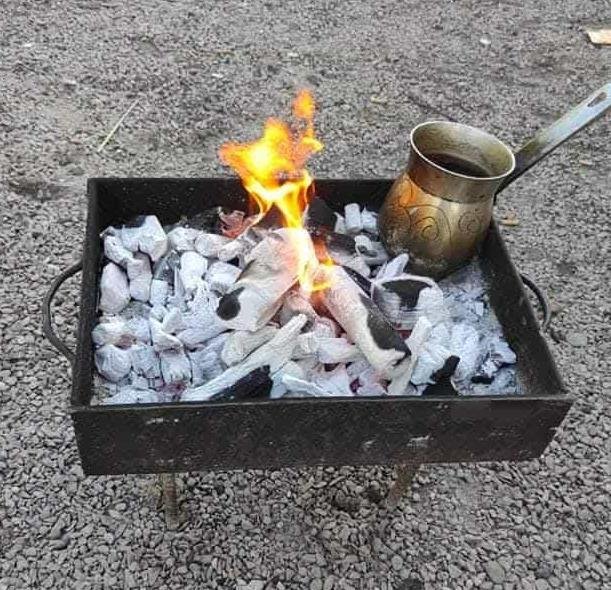
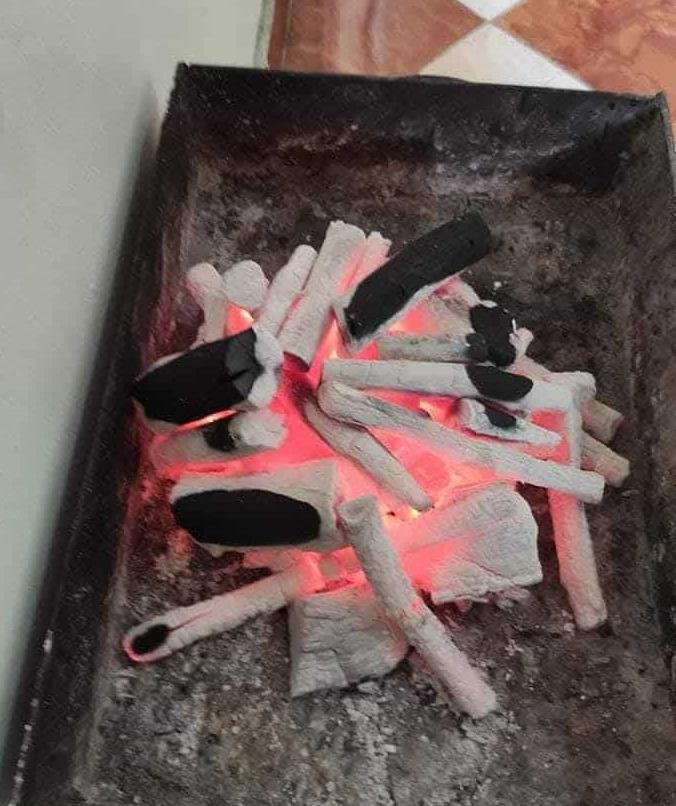
When referring to “Egyptian coal,” it most often refers to vegetable charcoal (charcoal), an ancient tradition that continues to this day.
• Nature: Produced through the carbonization (pyrolysis) of plant matter (wood, fruit shells). It is considered a natural, porous, and inert product.
• Main Usage:
Health and Wellness: Used since ancient times, activated vegetable charcoal is now consumed as a dietary supplement for its adsorbent properties (treating digestive issues, bloating, and detoxification).
Filtration and Purification: Due to its porous structure, it is used to filter water or purify air.
Cosmetics: Appreciated for absorbing excess sebum and removing skin impurities.
• Historical Profile: Egypt is historically recognized for the therapeutic use of activated charcoal, a practice that has spanned millennia and defines the product’s reputation in the current market.
In Summary:
• Nature: This is a fossil resource extracted from the ground (lignite, sub-bituminous, and bituminous coal).
• Main Usage:
Electricity Generation: The majority is used by thermal power plants worldwide.
Heavy Industry: Used in metallurgy, steel, iron, and cement production.
Biochar (modern variant): Indonesia is also developing “biochar” (biomass charcoal) production from agricultural waste (coconut shells, palm fibers) for agricultural use or as a low-emission alternative fuel.
• Economic Profile: It is a pillar of the Indonesian economy, with strategic government management to secure the national electricity supply before exporting.
2. Egyptian Coal: Traditional Vegetable Charcoal
When referring to “Egyptian coal,” it most often refers to vegetable charcoal (charcoal), an ancient tradition that continues to this day.
• Nature: Produced through the carbonization (pyrolysis) of plant matter (wood, fruit shells). It is considered a natural, porous, and inert product.
• Main Usage:
Health and Wellness: Used since ancient times, activated vegetable charcoal is now consumed as a dietary supplement for its adsorbent properties (treating digestive issues, bloating, and detoxification).
Filtration and Purification: Due to its porous structure, it is used to filter water or purify air.
Cosmetics: Appreciated for absorbing excess sebum and removing skin impurities.
• Historical Profile: Egypt is historically recognized for the therapeutic use of activated charcoal, a practice that has spanned millennia and defines the product’s reputation in the current market.
In Summary:
- If you are looking for coal for industry or energy, Indonesia is the primary supplier.
- If you are looking for coal for health, cosmetics, or filtration, vegetable charcoal is historically associated with Egyptian expertise.